

Best service model
Hourly or as-directed for a retained vehicle
Investor meetings · executive schedules · multi-stop days
Build one operational brief around the meeting sequence, service window, traveler contacts, capacity, and change authority—then confirm the vehicle plan, price, and terms in writing.
Review the detailsExact itinerary • Review before payment
Step 1 of 3 · Your trip
Direct answer
For an NYC investor or corporate roadshow, request hourly or as-directed chauffeur service when the vehicle must remain assigned across several meetings. Submit the ordered stop list, building entrances, local date and service window, meeting targets, decision-maker contact, passengers, luggage, vehicle requirements, and return or release plan. Enter the exact itinerary and vehicle for a current booking quote. Review transportation, selected extras and optional gratuity before payment. Sprinter and multi-vehicle programs use custom pricing. Waiting, parking, tolls, overtime, extra stops, schedule changes, and chauffeur continuity are governed by the exact written quote and confirmation.
Best service model
Hourly or as-directed for a retained vehicle
Starting hourly rate
— Live quote Executive Sedan; 3-hour minimum
Change control
One authorized live contact
Reservation status
Complete only after written confirmation
Roadshow brief
List stops in order with exact building entrances, target arrival and release times, guest names if relevant, and any security, loading, or parking constraints. Identify hard deadlines separately from flexible stops. A building name alone can be ambiguous in Midtown or Lower Manhattan.
Add the lead traveler and the person authorized to approve a reroute, extension, added stop, vehicle substitution, or release. If an assistant, banker, investor-relations team, or event producer controls the schedule, name that contact before service.
Exact addresses, entrances, meeting targets, dwell assumptions, and the final release or return.
Names or headcount, luggage and materials, mobility needs, privacy requests, and live mobile contacts.
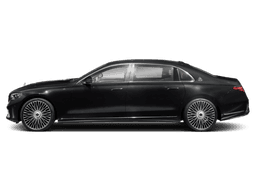
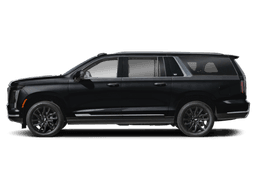
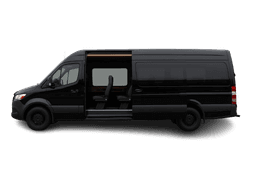
Sedan, SUV, Escalade, custom Sprinter, or coordinated vehicles based on occupied seats and cargo.
One person authorized to accept changes that may affect time, route, vehicle, or price.
Operational resilience
Roadshows change. A meeting may release late, a stop may move, or an attendee may join. The useful promise is a defined communication and approval process—not automatic acceptance of every change at the original price. The written terms should explain extensions, waiting, added stops, parking, tolls, vehicle substitutions, and after-hours coordination.
Keep the chauffeur focused on safe driving. Route schedule changes through the confirmed dispatch or coordinator channel and preserve one current version of the itinerary. For complex programs, use version numbers or timestamps so the driver, traveler, and planner do not act on different schedules.
Price review
For online-priced classes, multiply the applicable hourly rate by the confirmed base service window, subject to the 3-hour minimum. That calculation is a comparison input, not proof that waiting, parking, tolls, extensions, route changes, stops, or selected services are included.
Sprinter and coordinated-vehicle roadshows require custom pricing because configuration, passenger and luggage load, schedule, staging, vehicle count, and operating requirements differ. Review the complete quote and applicable terms before written confirmation.
Decision support
Match the service structure to what the vehicle must do, then price the actual itinerary.
Trip pattern
One known pickup and destination
Likely model
Point-to-point
Required inputs
Exact addresses, local time, party, luggage, vehicle
Price treatment
Booking-system result for that leg
Trip pattern
Several meetings; vehicle remains assigned
Likely model
Hourly / as-directed
Required inputs
Ordered stops, service window, dwell targets, lead contact
Price treatment
Hourly rate and minimum plus applicable written terms
Trip pattern
10–14 travelers or material cargo
Likely model
Custom Sprinter review
Required inputs
Complete manifest, luggage and equipment, route, schedule, configuration
Price treatment
Custom written pricing
Trip pattern
Parallel schedules or several principals
Likely model
Coordinated vehicles
Required inputs
Vehicle matrix, traveler assignments, contacts, staging and change authority
Price treatment
Custom program quote
Current online hourly rates reviewed September 2, 2026. Availability, chauffeur continuity, vehicle, route, and every material pricing term require written confirmation.
Direct answers
It is prearranged chauffeur transportation organized around an ordered schedule of meetings, service windows, traveler contacts, and operating constraints. Hourly or as-directed service usually fits when the vehicle must remain assigned between stops.
Enter the exact itinerary and vehicle for a current booking quote. Review transportation, selected extras and optional gratuity before payment. Sprinter and coordinated-vehicle programs use custom pricing. Review the actual itinerary and written terms.
That can be requested using hourly or as-directed service. Submit all five exact entrances, target times, the service window, party, luggage, waiting assumptions, and final release or return. The assigned chauffeur and complete terms require written confirmation.
Notify the confirmed operations contact. The effect on later stops, service time, waiting, overtime, parking, route, and price follows the written quote and reservation terms. Do not assume every extension or change is included.
No universal continuity guarantee is made by this page. Request the preferred chauffeur and vehicle plan; each day, assignment, substitution rule, and availability must be confirmed in writing.
Consolidated billing or an account arrangement can be requested for a reviewed corporate program. Approval, documentation, billing cadence, payment terms, and invoice details must be accepted in writing before relying on them.
Send the dated run of show, exact entrances, target arrivals and releases, passenger contacts, luggage or materials, vehicle needs, security constraints, decision authority, return plan, and any invoice requirements.
A form submission, price result, or planning conversation is not a completed reservation. Rely on the service only after written confirmation states the accepted itinerary, service window, vehicle plan, price, and applicable terms.
Next decisions
Compare hourly rates, minimums, extensions, and retained-vehicle use cases.
Open pageReview account, travel-policy, itinerary, and billing-request inputs.
Open pagePlan a custom-priced group vehicle from the complete manifest and luggage load.
Open pageReserve your chauffeur
Enter the service window and vehicle, then provide the ordered stops, target times, passengers, luggage, lead contact, and change authority. Review the quote and terms; the reservation is complete only after written confirmation.
Before you reserve
Ordered stops, realistic buffers and clear change control keep the transportation plan useful.
The right roadshow service starts with an ordered, operational itinerary: every address and entrance, meeting window, planned dwell time, passenger and arranger contacts, luggage or presentation equipment, and a clear person authorized to approve changes. Compare hourly and point-to-point structures against the full day rather than choosing from the number of stops alone.
Request continuity of vehicle or chauffeur if it matters, but rely only on what is confirmed in writing. Changes to the itinerary, stops, booked hours, vehicle, waiting, or selected options may require a revised price. Review the applicable charges before agreeing to a change. Include billing references and realistic buffers for building access and traffic, then review the booked hours, vehicle, overtime or waiting treatment, and communication path before treating the schedule as reserved.