


Service boundary
Chauffeured passenger transport, not equipment freight
Schedule-based chauffeured transportation for talent, clients, agency teams and production executives moving between airports, hotels, offices and approved locations.
Direct answer
Production car service should be scoped as passenger transportation. It can move talent, executives, agency clients and small working teams, but it does not replace production trucks, equipment freight, permitted parking, police details or a location department. The useful booking file is the current schedule plus named passengers, contacts, approved pickup points, luggage or personal gear and change authority.
Service boundary
Chauffeured passenger transport, not equipment freight
Working document
Current call sheet or approved movement schedule
Change authority
One named coordinator for timing and route approvals
Vehicle basis
Passengers, personal bags, hours and location access
Scope
Typical movements include airport arrivals, hotel-to-set transfers, talent pickups, client and agency transport, location scouts, fittings, edit sessions, premieres and wrap departures. A dedicated hourly vehicle can be useful when one passenger or team moves through a fluid schedule; fixed transfers work better for a known pickup and destination.
Identify what is not part of the scope. Camera, lighting, grip, wardrobe and set equipment may require specialized freight or production vehicles. Street occupancy, parking, holding and curb control remain subject to permits, property permission and local rules.
Named passenger, approved contacts, pickup privacy needs and the current schedule.
Airport, hotel, office, set, screening and dinner transfers with clear billing references.
Hourly vehicle with ordered stops, access notes and realistic travel buffers.
Timed arrivals, multiple venues and a defined return or standby plan.
Coordination
Production schedules move. Each transportation version should show the issue time, passenger, pickup, destination, required arrival, contact and vehicle. One coordinator should be authorized to approve changes that affect billable hours, routing or additional vehicles.
Use role labels only when privacy requires them, but ensure dispatch still has enough information to identify the passenger safely. Confidentiality, non-disclosure or restricted-contact requirements should be requested and agreed in writing rather than assumed from the service type.
NYC operations
The transportation plan should identify the approved passenger pickup point and the production contact responsible for access. A chauffeur may be able to approach a legal curb or private property point, but the reservation itself does not create parking, holding or street-occupancy rights.
Build time for security, credential checks, elevator travel, passenger release and street conditions. If a vehicle must remain assigned, quote it as hourly or standby service and define where it can wait legally.
Decision support
Choose the booking format from schedule volatility and passenger responsibility, not from a generic production label.
| Movement | Format | Plan around | Outside passenger-car scope |
|---|---|---|---|
| Airport or hotel transfer | Point-to-point | Flight, traveler, bags and destination access | Freight and equipment trucking |
| Talent workday | Dedicated hourly vehicle | Release time, approved contacts and location sequence | On-street vehicle holding permission |
| Location scout | Hourly, as directed | Ordered stops, access and travel buffers | Location permits and property releases |
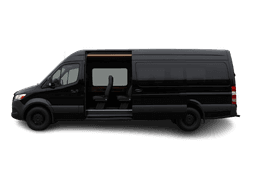
| Agency or client group | SUV, Sprinter or several vehicles | People, bags, meeting time and group lead | Event credentials and venue security |
| Premiere or press schedule | Timed transfers plus standby if needed | Arrival windows, red-carpet access and return plan | Traffic control or police details |
Practical workflow
Identify each traveler and personal load, then route equipment and production vehicles through the appropriate department.
Include version time, passenger, pickup, required arrival, destination, contact and access notes.
Name the person who can authorize billable changes and document any confidentiality or contact restriction.
Have the location team identify where passenger vehicles may approach, load and wait before the service is dispatched.
Clear answers
This page covers chauffeured passenger transportation for talent, clients, agency teams, executives and small working groups. The written quote should define vehicles, hours, routes, waiting, contacts and any agreed special handling.
Yes, an hourly format can be requested when the passenger has several stops or changing release times. The quote should state the minimum, included hours, overtime treatment and service area.
Passenger vehicles should not be assumed to replace production freight or equipment trucks. Disclose all items before quoting so the provider can confirm whether they fit safely and are within the agreed scope.
No. Parking, street occupancy, holding areas, police details and property access are controlled by the applicable agency, venue or location agreement. The production team should provide an approved passenger pickup point.
Specific confidentiality, non-disclosure, no-contact or restricted-information requirements should be requested during quoting and accepted in writing. Do not assume a generic promise covers the production requirement.
Send a clearly timestamped movement revision through the agreed channel. Identify what changed, who approved it and whether it changes pickup time, destination, vehicle hours or passenger assignment.
Operational rules can change. These primary sources are provided so travelers and planners can verify the current requirement before travel.
Continue planning
Next step
Send the current schedule, passenger count, locations, hours and access notes. Passenger vehicles can then be separated from production freight and priced correctly.