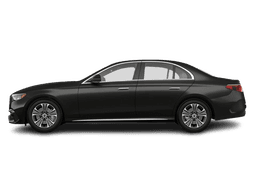

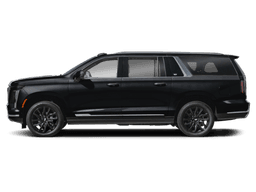
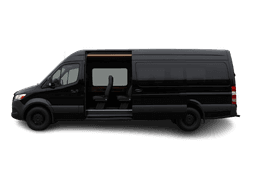
Core decision
Two transfers or one dedicated hourly vehicle
Prearranged rides for games, concerts and arena events with a vehicle format and post-event meeting point chosen before the crowd exits.
Direct answer
Event transportation is won or lost after the show. The reservation should identify the venue entrance, ticket or event time, passenger count, bags, outbound format and a post-event meeting plan that accounts for closures, pedestrian controls and cellular congestion. A dedicated hourly vehicle may be useful when legal waiting is available; otherwise two scheduled transfers can be clearer.
Core decision
Two transfers or one dedicated hourly vehicle
Critical detail
A precise post-event meeting point and live contact
Vehicle basis
Party size, comfort, bags and accessibility needs
Venue reality
Closures and traffic controls can change the legal pickup point
Booking format
Two point-to-point transfers can work when the event has a predictable end and the group accepts a scheduled post-event pickup. Hourly service can make sense when the same vehicle must remain assigned, the party has dinner or hospitality stops, or the end time is uncertain. Neither format guarantees the vehicle can stand at the arena door.
The quote should state whether the vehicle is released after drop-off, where it may wait, how the return time is updated and what happens if the event runs late. For groups, identify one lead passenger who can gather everyone and communicate with the chauffeur.
Plan around Penn Station activity, event traffic and a legal nearby meeting point.
Confirm the selected arena entrance and a pickup plan that accounts for Atlantic Terminal crowds.
Treat it as an interstate venue trip and verify the current event-day vehicle instructions.
Use the event schedule and official traffic advisory to set the approach and post-event handoff.
Exit strategy
A useful meeting instruction names a street corner, hotel, signed pickup zone or other legal point that both passenger and chauffeur can identify. Avoid instructions such as “outside the venue.” The group should have the chauffeur or dispatch contact before the event and preserve phone battery for the exit.
If police or venue staff move traffic, follow the live instruction. Walking a few blocks to a stable pickup point can be faster than asking the vehicle to enter a blocked perimeter.
Party planning
Select the vehicle from the real party, coats, personal bags, mobility equipment and any items permitted by the venue. A larger vehicle can simplify one departure, but its size may limit where it can legally load. The plan should balance capacity with the actual venue access route.
Accessibility needs should be disclosed during quoting so the vehicle and pickup point can be evaluated together. Also verify the venue bag, accessibility and entry policies directly; transportation service does not alter them.
Decision support
The right format depends on schedule certainty, waiting access and whether the vehicle is needed between the outbound and return trips.
| Situation | Better starting format | Reason | Confirm |
|---|---|---|---|
| Fixed start and predictable finish | Two point-to-point transfers | Avoids paying for unused middle hours | Return time, meeting point and late-event handling |
| Dinner plus event plus return | Hourly, as directed | One vehicle covers the complete itinerary | Minimum, overtime and legal waiting plan |
| Corporate-hosted guests | Dedicated hourly vehicle or coordinated fleet | Maintains one contact and service plan | Guest manifest, billing and escalation contact |
| Large private group | Sprinter or multi-vehicle plan | Keeps compatible travelers together | Venue access, bags and one group lead |
| Stadium with changing closures | Custom plan based on official event guidance | Pickup access can move by event | Live dispatch method and backup point |
Practical workflow
Include the starting address, venue, event time, dinner or hospitality stops and final destination.
Compare two transfers with hourly service based on end-time certainty, waiting access and intermediate stops.
Provide passengers, permitted bags, accessibility needs and the lead passenger mobile number.
Record the primary and backup pickup point, live contact and procedure if venue or police controls move traffic.
Clear answers
It can be when the itinerary includes dinner, hospitality, several stops or an uncertain finish. Two separate transfers may be more efficient for a simple outbound and return. Compare the written scope and waiting plan.
Not necessarily. Venue rules, police controls, parking restrictions and vehicle size determine where a car can wait or load. Confirm a legal primary and backup meeting point.
The reservation should state how return timing is updated and whether waiting or overtime charges apply. Contact dispatch through the agreed channel as soon as the schedule changes.
Do not assume so. Larger vehicles can have different access and loading restrictions. Confirm the venue, vehicle type and event-day instructions before service.
Yes, but every stop affects vehicle hours and the required departure time. Provide all addresses, passenger counts and the event arrival deadline when requesting the quote.
No. Tickets, credentials, parking passes, bag rules and accessibility arrangements are controlled by the venue or event organizer and should be confirmed separately.
Operational rules can change. These primary sources are provided so travelers and planners can verify the current requirement before travel.
Continue planning
Next step
Send the venue, event time, full itinerary, party size and preferred service format. The quote can define the vehicle, hours and post-event meeting plan.