Recommended format
Hourly service for a flexible multi-stop itinerary
A dedicated vehicle for a planned retail itinerary, with pickup coordination and cargo space matched to passengers, parcels and luggage.
Direct answer
Shopping chauffeur service is usually booked by the hour because store times, parcel volume and route order change during the day. A useful itinerary identifies the priority stores or districts, any appointments, passenger and bag count, hotel or residence, meal stops and finish time. The correct vehicle is based on both seating and expected parcel volume.
Recommended format
Hourly service for a flexible multi-stop itinerary
Core areas
Fifth Avenue, Madison Avenue, SoHo and Meatpacking
Vehicle variable
Expected parcels, luggage and passenger comfort
Curb reality
Pickup points depend on legal access and live traffic
Route design
Group nearby appointments before crossing town. Fifth Avenue and Madison Avenue can form one Upper East Side and Midtown sequence; SoHo, Nolita and the Meatpacking District form a different downtown movement. A hotel return, fitting or lunch reservation may be the fixed point that determines the order.
Share appointment times and priority locations, then label optional stops. That lets the chauffeur plan movement without implying that any store controls its curb or can hold the vehicle directly outside.
Record the confirmed time, store entrance, contact and expected duration.
Rank optional stores so the itinerary can contract without losing the priorities.
Plan a hotel or residence drop if bags will fill the vehicle before the day ends.
Add the reservation time and final destination so the booked hours reflect the full day.
Vehicle fit
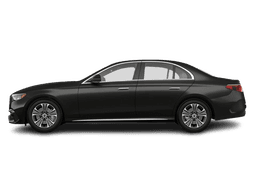
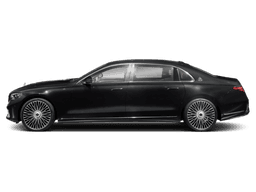
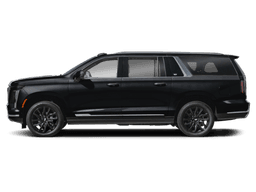
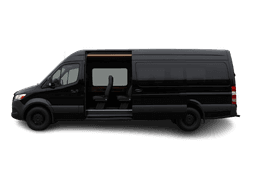
A sedan can suit one or two travelers with a light parcel plan. An SUV may be more practical for several travelers, garment bags, boxes or hotel luggage. A Sprinter may be appropriate for a larger group or substantial parcel volume, but every load should be disclosed before confirmation.
Keep the cabin and driver sightlines clear. If the day includes oversized purchases, furniture, art or commercial merchandise, ask whether specialized delivery is required rather than assuming a passenger vehicle can carry it.
Street operations
Many retail corridors have active loading, bus, taxi and no-standing restrictions. The practical workflow is to contact the chauffeur when the party is ready, confirm a legal nearby pickup point and consolidate parcels before loading.
If a store offers a private loading entrance or scheduled delivery handoff, include that instruction in the itinerary. The store or building controls its private access; the reservation does not guarantee a vehicle can wait at the front door.
Decision support
Use this as a planning guide, then disclose the actual party and expected purchases for confirmation.
| Scenario | Likely format | Vehicle starting point | Confirm |
|---|---|---|---|
| One or two travelers, light purchases | Hourly | Executive sedan | Carry-ons, garment bags and hotel luggage |
| Three to five travelers | Hourly | Full-size SUV | Seating comfort and expected parcel volume |
| Group or buying team | Hourly | SUV or Sprinter | People, samples, cases and route duration |
| Shopping plus airport transfer | Hourly ending with transfer | Selected from the final luggage load | Flight, terminal, all bags and finish time |
| Oversized or commercial goods | Separate delivery assessment | Do not assume a passenger vehicle | Dimensions, weight, handling and delivery requirements |
Practical workflow
List stores, entrances, contacts and times that cannot move, along with the hotel or residence pickup.
Reduce unnecessary cross-town travel and identify optional stops that can be removed if the day runs long.
Count passengers, luggage, expected parcels, garment bags and any oversized item before selecting a vehicle.
Review the start, finish, minimum, overtime treatment and live pickup communication method in the quote.
Clear answers
Hourly service is generally the practical format for several stores or changing stop durations. The written quote should state the minimum, included hours, overtime treatment, service area and vehicle.
Not always. Curb regulations, traffic controls and private-building rules determine where a vehicle can stand. Use a live message to coordinate a legal nearby pickup when the party is ready.
An itinerary can include areas such as Fifth Avenue, Madison Avenue, SoHo, Nolita and the Meatpacking District. The route should be ordered around confirmed appointments and realistic travel time.
A sedan may suit a small party with light purchases. An SUV or Sprinter can provide more room, but the correct choice depends on passengers, hotel luggage, parcel dimensions and the amount expected during the day.
Yes, if the airport, flight, terminal, finish time and final luggage load are included in the plan. Build an appropriate flight buffer rather than treating the airport as an optional last stop.
Do not assume it can. Provide dimensions, weight and handling requirements before booking. Large, fragile or commercial goods may require a specialized delivery provider.
Operational rules can change. These primary sources are provided so travelers and planners can verify the current requirement before travel.
Next step
Send the hotel or residence, priority appointments, party size, expected parcels and finish point. The response can match hours and vehicle space to the plan.